The Baby Planner

The Baby Planner is to Expecting Parents, what a Wedding Planner is to an engaged couple. The Baby Planner is here to hold your hand every step of the way in the biggest decision of your life. First comes The Baby Planner...THEN comes the Baby in the Baby Carriage!!
Showing posts with label The Baby Planner. Show all posts

Thursday, October 29, 2009

Bath Tub Safety

In addition to not buying a bath seat, follow these bathtub safety tips:

• Never leave your baby unattended during bath time, even for a second, even when you're just filling the tub with water. (To play it safe, stay within arm's reach of your child when he's around water, wh
ether he's in an adult or toddler tub. If your baby can't sit up on his own yet, alwasy keep a hand on him at bath time, too. Plan ahead. Make sure you have everything on hand before you start the bath. You don't want tohave to scurry for a washcloth or towel while your baby is in the tub. The Aquatopia Safety Bath Time Easy Kneeler: anti-slip pad for your knees and extra padding for your elbows. It has pockets that are perfect for soaps and shampoos, keeping everything you need close at hand.


• When bathing your baby, fill the tub with as little water as possible. Two inches is a good amount.

• Be careful about scalding water. The water should feel warm, not hot. Before you put your baby in the tub, test the temperature with your wrist, elbow, or the back of your hand. Don't rely on a tub with a temperature indicator, such as a drain plug that changes color to indicate too hot or too cold, and just right. If you're using a thermometer with a read-out, baby bath water whould be between 90 and 100 degrees.
Munchkin has a Safety Bath Ducky I like to use, and find very accurate. But again, use your wrist, elbow, or the back of your hand as your main guide.

• If you need to leave the bathroom, take your baby with you. Don't rely on older children to watch the baby for you. If the phone rings, let the answering machine or Voice Mail pick it up. If there's a knock on the door, ignore it. Make that rule as stringent as strapping your baby into her car seat every time you drive.


• When using a baby bathtub in the sink or regular tub, always turn the hot water off first and watch out for hot metal spigots. Get a cover for the bathtub's spout to protect your child from it's heat conducting metal and hard edges. Some covers are soft plastic in the shape of an animal, such as a moose or an elephant. Others are inflatable plastic. Swoosh tub water around with your hand so that any hot spots even out. To play it safe, reduce the setting of your hot-water heater to 120 degrees F. An infant's skin burns much more easily than an adult's.

• Always empty the bathtub immediately after bath time. Babies can drown in as little as one inch of water, and can aspirate any level of water resulting in a "dry drowning".


• When your baby graduates to a regular bathtub, attach rubber strips to the bottom of the tub to prevent slipping.


• Remind caregivers, your spouse, and the baby's grandparents about these safety tips. Better yet, if they're new to bath time, tell them not to give your baby a bath while you're away if that's possible.

•The Puj Tub was designed to make bath time quick and easy. The tubs revolutionary design allows you to bathe your infant in any standard bathroom sink.

  • No more leaning over the bathtub stressing your knees, neck, and back.
  • No more lining the bathroom sink with sponges and wet towels
  • No more wondering where you are going to store that awkward plastic bathtub you used to use. The design allows for easy set up, bathing, clean-up, and storage.

•Bathing Buddies Baby Shower Sling
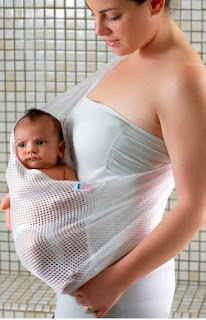
Bathing Buddies® shower slings are made from a soft athletic mesh. This fabric is very sturdy and breathable. It's also very easy to dry.

Our pouch style sling is one of the easiest types of slings to use in the bath. Just fold the sling into itself, creating a pouch. Drape over your shoulder like a sash and pop your baby right in! No silly clips, buckles, or rings.

Pouch style slings are suitable for a tiny newborn or a toddler. Bathing Buddies® slings are very versatile slings. They can be used in a variety of carrying positions and in showers, pools, or during hot weather!

Thursday, October 23, 2008

The Baby Planner on the Radio!

I had the great opportunity to be interviewed on the SignOn Radio Show "Family Matters"
with The Union-Tribune's family editor Jane Clifford, who talks about the latest news that affects you and your family.

The interview was a follow up to the newspaper article in the Union Tribune written about Baby Planners and my San Diego based company The Baby Planner.

Take a listen to The Baby Planner's first interview!

Wednesday, August 27, 2008

Keeping Baby Food Safe

To keep baby food free of bacteria and other food-borne pathogens that can cause illness:

•Wash your hands with soap and water before handling baby food or preparing formula. Not only will you be keeping your baby safe, but regular hand washing also helps protect you from getting sick.

•Don't feed your baby from the jar (or yogurt container) and then put the uneaten
portion back in the refrigerator. Harmful bacteria from your baby's mouth can grow and multiply in the jar. If your baby is likely to eat less than a full jar, spoon a portion in to a bowl and put the jar in the fridge for later. You generally can keep opened jars in the fridge for up to three days in the case of fruits and vegetables, one day for meats, and two days for meat and vegetable combos. A permanent marker can be handy for dating opened jars so you'll know when they were put in the fridge.

•Don't leave perishable items out of the refrigerator (without a cold pack) for more than two hours. Throw them away if they've been sitting out longer than that.

•When you're traveling, transport food and filled bottles in an insulated cooler with frozen packs.


•Watch expiration dates on baby food. Listen for the pop of vacuum seals of jarred foods.
Don't feed your baby anything that has expired and throw out jars with chipped glass or rusty lids.

•Don't give your baby honey if she is less than a year old. It could contain bacteria associated with botulism, a potentially fatal food poisoning.


•Don't serve your baby or older child raw or unpasteurized milk, which may contain harmful bacteria. And no cow's milk
before age 1.


•If you're making homemade baby food, use a brush to clean the blender or food processor blades and parts. Trapped food particles can harbor bacteria. My favorite product for this is The Beaba Babycook. It is a one-of-a-kind, patented compact countertop appliance that functions as a steamer, blender, warmer and defroster to prepare fresh, healthy meals for baby. It starts by steam cooking vegetables, fruits and meats in less than 15 minutes, while preserver their vitamins and flavors. It then purees and blends them to the desired consistency. Parents can also use the Babycook to quickly reheat or defrost precooked foods.

•To freeze homemade baby food, put the mixture in an ice-cube tray. Cover with heavy duty plastic wrap and freeze. Later, you can pop the frozen food cubes into a freezer bag or airtight container and date it. Store vegetables up to three months, and meat, fish, and chicken up to eight weeks. Beaba also makes food trays called Beaba Multiportions. They are designed for freezing and storing a la carte foods for baby. The Multiportions are comprised of seven individual portions of ¼ cup (60 ml) each. Multiportions are made from silicone.

•Use dishwashing detergent, hot water, and a clean rag to wash and rinse all utensils that come in contact with the baby's food, including the can opener. Just wiping them with a paper towel isn't enough. Soap, water, and friction do the trick.

•Don't keep bottles or food in the same bag as dirty diapers unless the food is in its own separate, insulated container or sealed plastic bag. Planet Wise has products have been designed with this in mind. The new collection of reusable wet bags is perfect for keeping things sealed and separate in your diaper bag. For other "Bottle Does and Don'ts"

•When your baby gets to the finger-food stage, which can start as early as 7 months,
cut food into bite size pieces. But don't offer your baby nuts, raisins, grapes, or hot dogs: they're all choking hazards and not appropriate for infants or toddlers. Munchkin makes a Fresh Food Feeder. This product allows your baby to enjoy lots of delicious foods without the choking risk. Simply put a piece of fruit, vegetables or meat into the mesh bag and snap shut. Your baby can chew, suck and enjoy all the whole food goodness and taste, with only the tiniest, digestible pieces coming through.

Tuesday, June 17, 2008

Foods You Should Eat When Nursing

When you're taking care of a new baby and juggling "everyday" life, it's easy to let your own well-being slide. But if you don't take care of your needs, you won't be able to do the best job taking care of your baby's needs. You can liken eating right to the principle of the oxygen mask demo on airplanes. Although it feels counter-intuitive, parents of small children are instructed to strap on their own oxygen masks before attending to their child's. So feed yourself wisely benefits yourself, as well as your baby. Here are some foods that can boost your energy and keep you healthy.

Milk. Just one 8-ounce glass of skim or low-fat milk supplies up to one-third of the calcium you need for strong bones and teeth. A diet rich in calcium may cut your risk of hypertension, colon cancer, and breast cancer, and possibly ease PMS. Milk is a known valuable source of vitamin D, vitamin A, riboflavin, niacin, and vitamin B12.


Bananas. At about 100 calories each, bananas are a good source of fiber and vitamin B6. They're also loaded with potassium - a mineral that helps regulate blood pressure and is essential to muscle function. Eat one after a workout (when potassium levels may be low due to perspiration loss), mix into smoothies, or add to your cereal for an all-day energy boost.


Orange Juice. A great source of vitamin C, just one 8-once glass supplies more than what you need everyday. Orange juice is also full of folate, a B vitamin - which may help prevent certain birth defects and colon cancer - as well as potassium. Opt for the calcium fortified OJ to benefit your bones.


Salad. Tossing together a variety of greens (romaine and spinach are rich in vitamin A and folate, and iceberg has fiber), and add some tomatoes, carrots, and cucumbers as a smart way to sneak vegetables into your diet. Studies have shown that getting at least three servings of vegetables a day can reduce your risk of cancer, heart disease, and diabetes. Just be careful of high-calorie dressing!

Peanut Butter. It's full of protein, fiber, zinc, and vitamin E. It contains mostly unsaturated fat, which helps lower both total and LDL ("bad") cholesterol. Peanut better and jelly on whole-wheat bread with a glass of milk is a quick nutritious meal. Avoid the reduced-fat version, since the fat is replaced with carbohydrates, you'll get the same number of calories anyway.

Sweet Potatoes. These spuds - which are available year-around - should be a staple in your diet, not just on the holidays. They're an excellent source of potassium, fiber, and cancer-fighting antioxidants such as beta carotene and vitamin C.

Salmon and fish. Salmon is a rich source of omega-3 fatty acids, which can lower your risk of heart disease. Eating salmon once or twice a week may boost your immune system. Experts say, if you're pregnant or nursing, the fatty acids in salmon help aid fetal and infant brain and central nervous-system development. Government agencies recommend that pregnant or nursing women not eat shark, swordfish, king mackerel, or tilefish. Consumers Union recommends that these women should hold off on eating canned tuna, as well.

Broccoli. It's low-cal and rich with vitamins A and C, beta carotene, folate, and fiber - all of which can help reduce your risk of heart disease and protect against certain kinds of cancer. Eat it raw or lightly steamed.


Whole-grain cereal
. One bowl of whole-grain cereal typically supplies 10 or more vitamins and minerals, as well as complex carbohydrates (for energy), disease-fighting fiber, and phytochemical - non-nutrient plant ingredients that help prevent disease. Choose cereals with at least 5 grams of fiber per serving. Fortunately the cereal industry is producing more and more fiber rich cereal options every day!

Lean red meat. Women, especially those who have given birth within the last two years, are at risk for low iron levels, which can lead to a type of anemia. Red meat is an excellent source of iron that's more easily absorbed by the body. Stick with trimmed lean cuts - anything with loin or round in the name - for their low saturated-fat content, and eat no more than one 2 to 3- ounce serving each day (about the size of your palm).

Vegetable soup
. There is a slew of vitamins and minerals in soup loaded with veggies such as carrots, potatoes, and onions. Even better, because it's mostly liquid (and contains fiber), vegetable soup will fill you up on relatively few calories. It's very important to avoid the high sodium soups - read labels. Try making homemade vegetable soup in large batches. Freeze the extras in small batches for convenient homemade soup at your fingertips.

Yogurt. A good source of bone-strengthening calcium (an 8-ounce carton contains about a third of your daily needs), low-fat or nonfat yogurt also supplies protein and potassium with less saturated fats. Choose plain yogurt, since the flavored kinds are often high in sugar, and make sure the label says the brand contains "live and active cultures," since these bacteia have been shown to benefit the gastrointestinal tract. It is important that you avoid the "light" or "low-cal" yogurts that contain artificial sweeteners, especially if you're pregnant. My favorite yogurt is plain Greek Yogurt. Sweetened with Raw Organic Honey, and adding fresh fruit and walnuts is better than any store bought flavored yogurt on the market! And much healthier too!

Eggs. They're packed with the protein moms (and dads) need to help build and repair weary muscles. Eggs are also a good source of vitamin D, which helps the body absorb calcium. Still, because egg yolks are high in cholesterol, moderation is key. It is recommended to eat two hard-boiled eggs a day for good bile production, and good liver function, which can aid in weight loss, and proper toxin release.

Tomato sauce. Tomatoes are loaded with lycopene, a powerful antioxidant that has been shown to help keep arteries clear and reduce the risk of heart disease. Most jarred sauces also contain fiber and vitamins A and C. There is more lycopene released in cooked tomatoes, than raw.


Beans. Canned or dried varieties, such as kidney, black, garbanzo, and navy beans, are a low-fat source of protein, iron and soluble fiber, which can help lower your cholesterol level. You can make any meal healthier - from soups and stews to salads and pasta dishes - by adding a can of beans to it. However, since canned beans can be high in sodium, rinse them well under cold water or buy the no-salt kind. Buying your own dried beans in bulk is a good way to control the sodium, and save money all at the same time!

Saturday, April 12, 2008

Got Warm Milk?

Both formula and breast milk are fine at cold temperatures, but many babies like their milk warm like mom "makes it". The best way to heat a bottle is by running it under streaming warm water (but that's not very eco-friendly), so be green by placing it in a bowl of warm water for several minutes instead. Shake the bottle gently to help distribute the heat evenly.

You can also buy an electric bottle warmer like the Munchkin Deluxe Bottle and Food Warmer, that conveniently plugs in anywhere and warms the milk with steam heat. With today's models you are less likely to overheat the bottle, and they come with other conveniences like food warming and pacifier cleaning baskets as well.


For warm milk on the go, you can buy a bottle warmer that plugs in to the car like The First Years Fast Heating Travel Warmer that fits all bottle sizes, and easily stows away in the glove box when not being used.


Do NOT use a microwave to heat formula or breast milk. It's easy to overheat bottles, or create uneven hot spots that you will not likely detect. Microwaves also destroy the immunological benefits of breast milk, and release toxins from plastic bottles that can be harmful to your baby.

Sunday, March 23, 2008

Happy Birthday!

The most special HAPPY BIRTHDAY! to the baby that started it all for me, my biological son Austin. Eleven years ago two very amazing parents adopted my precious baby boy, and have raised him in a way I thank God for every day. Without even knowing it, that little boy has made me everything I am today. Thanks to Open Adoptions, I am able to watch his life take form.

Saturday, February 9, 2008

Welcome Baby Dominic!

With much anticipation, Baby Dominic has arrived!! Although a very late addition, his family is now complete and loving every minute of this new adventure.
Dominic was joyfully welcomed by his teenage brother and sister, and Mother and Father who were more on the track of "Empty Nest" planning, than "Baby Planning"...so I was more than happy to step in and help out. A lot changes 15 years between babies!! Mom and Dad were even able to squeeze in a fun trip to Italy alone before Dominic's arrival, now that Baby Registries and Nursery Set-up was off of their plate!

Saturday, January 5, 2008

Baby Shower Invitation

It's always such a privilege to be able to throw a very special baby shower for someone I love. This shower is a little extra special because it is for the 21st and last cousin of my generation in my family. This is the Baby Shower invitation I designed for that baby shower.

Thursday, December 20, 2007

Favorite Products for Baby Registry

After finishing a Baby Registry for a client this week, I realized there were a few items that I thought I'd like to share that all parents could appreciate. Here are some of those products:


For your car, the SafeFit Jumbo Mirror back seat auto mirror serves both baby's safety, as well as parent's convenience and peace of mind.


For the outdoors, the JJ Cole Outdoor Water-Resistant Essentials Blanket, because those picnics in the park are never as fun when the grass is wet.


For the house, the Diaper Dekor Plus Disposal System, rated #1 by Consumer Reports because it contained odors well, has a hands-free design and the refills are reasonably priced (monthly cost of about $3).
For Mom and Baby, the Boppy Bare Naked. For Mom, it's the back, shoulder and kneck saver when holding your baby to nurse or bottle feed. For Baby, it makes a secure prop so she can see more than just the ceiling or tummy time with a baby mirror for some baby face interactions. And when she's a little older, it's that little extra security when sitting up sometimes also means tipping over. And the great thing about it being "Naked" is you can by the slip covers to match your decor, and change it when you have your next baby who turns out to be blues instead of pinks.

And last but not least, the Newborn Lounger by Boppy that is specialy made for preemies and newborns. The Newborn Lounger has also been found as a must have for parents with babies who suffer from acid-reflux. It helps the baby to sleep in an incline, relieving some of their symptoms.

For a more extensive list of items to register feel free to contact me anytime for a consultation! I'm a San Diego based Baby Planner, but I love helping mom's anywhere!